Frozen vs Fresh Okra: Texture, Slime Factor, and Best Cooking Methods Compared
By 新鮮食材速遞 | Published: 2026-06-25
Category: How-to Guides
Compare frozen vs fresh okra side-by-side: texture differences, slime reduction tips, and the best cooking methods for stews, stir-fries, and soups. Includes product recommendations from 新鮮食材速遞.
Okra—known for its unique texture, earthy flavor, and mucilaginous quality—divides cooks into passionate fans and hesitant skeptics. Whether you love it in gumbo, curry, or a simple stir-fry, understanding the differences between frozen okra and fresh okra is key to getting the best results. This guide breaks down the texture, slime factor, and ideal cooking methods for both forms, so you can confidently choose the right okra for every dish.
Fresh Okra: Texture, Slime, and Best Uses
Fresh okra is harvested during warm months and prized for its firm, crisp pods. When raw, fresh okra has a crunchy, almost cucumber-like texture. Its defining feature—the slime, or mucilage—becomes more pronounced when cut and exposed to heat. This natural thickener is a boon for soups and stews but can be off-putting in dry preparations.
- Texture: Crisp when raw; tender but slightly gelatinous when cooked properly.
- Slime factor: High, especially if cut into small pieces and cooked for a long time. Soaking in vinegar or acid can reduce sliminess.
- Best cooking methods: Grilling (whole or halved), frying (cornmeal-coated for crunch), adding to gumbo or curry (where slime thickens the broth), and pickling.
- Shelf life: Very short—use within 2–3 days of purchase. Fresh okra should be kept dry and stored in a paper bag in the fridge.
Frozen Okra: Texture, Slime, and Best Uses
Frozen okra is typically blanched and flash-frozen at peak ripeness. While it loses the crispness of fresh okra, it offers consistent quality and year-round availability. The freezing process breaks down some cell walls, which can slightly increase the slime factor if not handled correctly. However, frozen okra is a workhorse for slow-cooked dishes.
- Texture: Softer and less crisp than fresh; holds up well in stews but can turn mushy if overcooked.
- Slime factor: Moderate to high—freezing actually makes the mucilage more accessible. To reduce slime, avoid thawing before cooking; add frozen okra directly to hot oil or broth.
- Best cooking methods: Braising, stewing, curries, gumbo, and soups. Frozen okra is not ideal for frying or grilling because of its softer texture.
- Shelf life: 6–12 months in the freezer when stored in an airtight bag.
Slime Factor Showdown: Fresh vs Frozen
The slime in okra is caused by polysaccharides that are released when the pods are cut. Both fresh and frozen okra contain these compounds, but the way they behave differs:
| Aspect | Fresh Okra | Frozen Okra |
|---|---|---|
| Slime release when cut | Immediate (can be reduced by acid soak) | Delayed until heated (freezing denatures enzymes) |
| Slime in cooked dish | Controllable via cooking time and acid | More pronounced; best used in recipes that benefit from thickening |
| Best slime-reduction trick | Soak in vinegar or lemon juice for 30 minutes | Cook directly from frozen with high heat and acid |
For dishes where you want a thick, luscious broth—like a Southern gumbo or an Indian bhindi masala—the slime from frozen okra is actually an advantage. For recipes requiring distinct, separate pieces, fresh okra with careful preparation is better.
Best Cooking Methods for Frozen Okra
Frozen okra shines in dishes where time is short and you want a rich, naturally thickened sauce. Here are top techniques:
1. Gumbo and Stews
Add frozen okra directly to the pot during the last 15–20 minutes of cooking. The mucilage will thicken the broth without needing a roux or other thickeners. Pair with smoked sausage, chicken, and shrimp for a classic Louisiana gumbo.
2. Curries
In Indian and West African curries, frozen okra works beautifully. Sauté onions, garlic, and ginger, then add curry spices, tomatoes, and frozen okra. Cook until the okra is tender but not falling apart—about 10 minutes.
3. Stir-Fries (with caution)
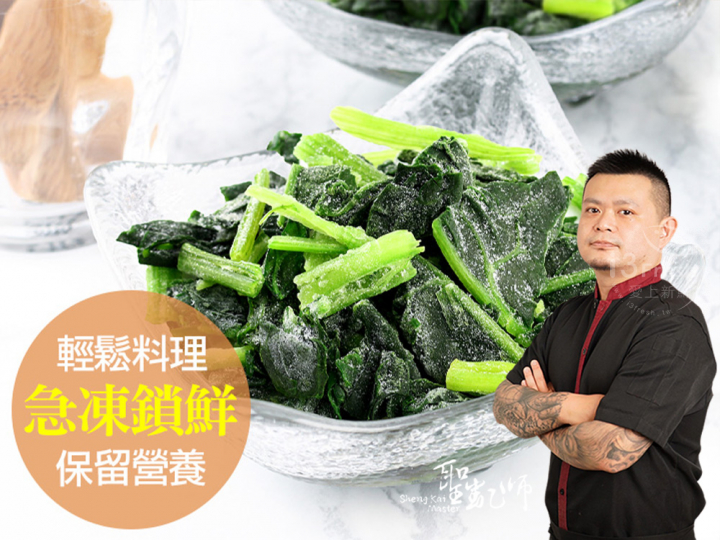
Frozen okra can be stir-fried if you use high heat and a non-stick pan. Coat the frozen okra lightly in cornstarch before frying to reduce slime and add a crispy exterior. Serve with 【聖凱師】鮮凍菠菜 for a quick, nutrient-packed side dish.
Best Cooking Methods for Fresh Okra
Fresh okra is versatile but requires a bit more attention to avoid excessive sliminess.
1. Grilled or Roasted
Cut fresh okra in half lengthwise, toss with olive oil, salt, and pepper, then grill or roast at 425°F (220°C) for 15–20 minutes. The high heat caramelizes the pods and reduces slime to almost nothing. Serve as a side with grilled meats or fish.
2. Fried Okra
Slice fresh okra into ½-inch rounds, soak in buttermilk (with a splash of hot sauce), then dredge in cornmeal and flour. Deep-fry or air-fry at 375°F (190°C) until golden and crispy. This method virtually eliminates slime and is a crowd-pleaser.
3. Pickled Okra
Use very small, tender fresh okra pods for pickling. A brine of vinegar, water, salt, and spices (like dill, garlic, and peppercorns) preserves the crunch and tang. Pickled okra is excellent in Bloody Marys or as a snack.
Nutritional Comparison: Frozen vs Fresh Okra
Nutritionally, frozen and fresh okra are nearly identical. Both are low in calories (about 30 calories per cup) and rich in vitamin C, vitamin K, fiber, and antioxidants. Freezing does cause a small loss of vitamin C (about 10–20%), but the difference is negligible in a balanced diet.
- Fiber: Both forms provide about 3 grams per cup.
- Vitamin K: Higher in fresh okra (about 30% DV per cup vs 20% for frozen).
- Folate: Comparable between both forms.
Because frozen okra is harvested at peak ripeness, it sometimes has higher levels of certain antioxidants than fresh okra that has been stored for several days.
When to Choose Fresh vs Frozen Okra
Choose fresh okra when:
- You want a crunchy texture (grilling, frying, pickling).
- You have access to locally grown, in-season okra (summer).
- You want to control slime precisely (using acid or quick cooking).
Choose frozen okra when:
- You're making a soup, stew, or curry that benefits from thickening.
- Fresh okra is out of season or unavailable.
- You need convenience—no washing, no trimming.
- You want a consistent product year-round.
Storage Tips for Both Forms
Fresh okra: Store unwashed in a paper bag in the refrigerator's crisper drawer. Use within 2–3 days. Do not wash until ready to use—moisture accelerates sliminess.
Frozen okra: Keep in the freezer at 0°F (-18°C) or below. Once the bag is opened, reseal tightly to prevent freezer burn. Use within 6 months for best quality.
Making the Most of Frozen Okra in Your Kitchen
Frozen okra is a fantastic staple for quick, hearty meals. Pair it with other frozen vegetables to build a well-rounded pantry. For example, combine frozen okra with 豪氣食堂-花膠干貝燉全雞 for a luxurious okra-and-chicken stew that comes together in under 30 minutes. The frozen okra will thicken the broth naturally, while the pre-cooked chicken adds protein and depth.

Another great combination: sauté frozen okra with 豪氣食堂-栗子櫻花蝦米糕 for a textural contrast—the chewy rice cake and tender okra make an interesting side dish. Simply heat the rice cake according to package directions, stir-fry the okra with garlic and soy sauce, then serve together.
Final Verdict: Which Should You Buy?
For most home cooks, keeping a bag of frozen okra in the freezer is a smart move. It's convenient, affordable, and excels in the dishes where okra truly shines—soups, stews, and curries. Fresh okra is worth seeking out during summer for grilling or frying, but for year-round reliability, frozen wins.
Ready to stock your freezer with top-quality okra and other essentials? Explore our selection of frozen vegetables and premium meal components at 新鮮食材速遞. Whether you're making a classic gumbo or an experimental stir-fry, 【聖凱師】鮮凍菠菜 is another versatile green that pairs perfectly with okra in any dish. Order today and enjoy the convenience of premium frozen ingredients delivered to your door.