The Best Frozen Fruits for Homemade Jams and Preserves: Pectin Content, Sugar Ratios, and Cooking Tips
By 新鮮食材速遞 | Published: 2026-06-24
Category: How-to Guides
Learn how to make delicious homemade jams and preserves using frozen fruit. Discover pectin content, ideal sugar ratios, and expert cooking tips for perfect results every time.
Homemade jams and preserves are a timeless way to capture the essence of ripe, seasonal fruit. While many home cooks assume that only fresh fruit can yield superior results, frozen fruit is actually an excellent—and often more convenient—choice. In this guide, we’ll explore why frozen fruit works brilliantly for jams and preserves, break down the critical role of pectin, share optimal sugar ratios, and provide step-by-step cooking tips. Whether you’re a seasoned preserver or a curious beginner, these insights will help you create delicious spreads year-round.
Why Frozen Fruit Is Ideal for Homemade Jam
Frozen fruit is picked at peak ripeness and flash-frozen, locking in natural sweetness, color, and pectin content. This means you can make jam with berries, stone fruits, or tropical varieties even when they’re out of season. Plus, frozen fruit is already washed and often pre-sorted, saving preparation time. One key advantage is that freezing breaks down cell walls, releasing natural pectin and juice, which can lead to a better set and more intense flavor in your final jam.
Pectin Content in Frozen Fruit
Pectin is the natural polysaccharide that helps jam gel and achieve its characteristic thickness. Different fruits contain varying levels of pectin, and understanding this is crucial for successful jam-making. Here’s a quick reference table of common fruits and their pectin content:
| Fruit | Pectin Level | Best Use in Jam |
|---|---|---|
| Apples (especially green) | High | Excellent for adding pectin to low-pectin fruits |
| Citrus (orange, lemon, grapefruit) | High | Pectin-rich peels and juice; often used in marmalades |
| Blackberries | Medium to High | Great for standalone jam or blending |
| Strawberries | Low to Medium | Often requires added pectin or a high-pectin partner |
| Peaches | Low | Best with commercial pectin or lemon juice |
| Cherries | Low | Use pectin or combine with high-pectin fruit |
For frozen fruit, the pectin content remains largely intact, though some degradation can occur over time. If you’re using frozen strawberries or peaches, consider adding a high-pectin fruit like green apples or a splash of lemon juice to help the jam set. Alternatively, you can use commercial pectin powder or liquid pectin for consistent results.
Sugar Ratios for Frozen Fruit Jam
Sugar is not just for sweetness—it interacts with pectin and acid to create the gel structure. The classic ratio for most jams is equal parts fruit and sugar by weight (1:1), but this can vary. For low-pectin fruits, you might need slightly more sugar to achieve a good set. Here are some guidelines:
- High-pectin fruits (e.g., blackberries, apples): Use 0.75 to 1 part sugar per part fruit.
- Medium-pectin fruits (e.g., raspberries, plums): Use 1 part sugar per part fruit.
- Low-pectin fruits (e.g., strawberries, peaches): Use 1 to 1.25 parts sugar per part fruit, plus pectin.
If you’re reducing sugar for dietary reasons, you’ll need to use a low-sugar pectin or rely on natural pectin from high-pectin fruit. Keep in mind that reducing sugar too much can result in a softer set or spoilage over time.
Acid Balance: The Unsung Hero
Acid (usually from lemon juice or citric acid) helps activate pectin and balances sweetness. Most jam recipes call for 1 to 2 tablespoons of lemon juice per 4 cups of fruit. For frozen fruit, which may have slightly lower acidity due to the freezing process, a little extra lemon juice can ensure a proper gel.
Step-by-Step Cooking Tips for Perfect Frozen Fruit Jam
1. Thaw or Cook Directly?
You can cook frozen fruit directly without thawing, which saves time and reduces the risk of bacterial growth. However, thawing first can help release juices and make mashing easier. If you cook directly, expect a slightly longer heating time as the fruit comes to temperature.
2. Mash or Leave Chunks?
For a smooth jam, mash the fruit with a potato masher or immersion blender before cooking. For a chunkier preserve, leave larger pieces intact. Frozen fruit tends to break down more easily than fresh, so you can achieve a nice texture with minimal effort.
3. Cooking and Testing for Set
Combine fruit, sugar, and lemon juice in a heavy-bottomed pot. Bring to a boil over medium-high heat, stirring frequently to prevent scorching. Boil vigorously until the mixture thickens—usually 10 to 20 minutes depending on volume. To test for set, place a small spoonful of jam on a cold plate and let it cool for a minute. If it wrinkles when pushed with your finger, it’s ready. Alternatively, use a candy thermometer: the jam is done when it reaches 220°F (104°C) at sea level.
4. Skim Foam for Clarity
As the jam boils, foam will rise to the surface. Skim it off with a spoon for a clearer, more attractive final product. The foam is edible but can cause cloudiness.
5. Canning and Storage
Pour hot jam into sterilized jars, leaving ¼-inch headspace. Wipe rims clean, seal with lids, and process in a boiling water bath for 10 minutes (adjust for altitude). Properly sealed jars can be stored in a cool, dark place for up to a year. Refrigerate after opening.
Creative Flavor Combinations Using Frozen Fruit
Don’t limit yourself to single-fruit jams. Mixing fruits can balance flavor, texture, and pectin content. Here are some tried-and-true combos:
- Strawberry-Balsamic: Frozen strawberries + balsamic vinegar + black pepper
- Peach-Ginger: Frozen peaches + fresh ginger + lemon zest
- Triple Berry: Frozen blueberries, raspberries, and blackberries
- Apple-Cinnamon: Frozen apples + cinnamon stick + brown sugar
For a savory-sweet twist, consider adding herbs like thyme or rosemary to stone fruit jams.
Incorporating Frozen Vegetables for Unique Preserves
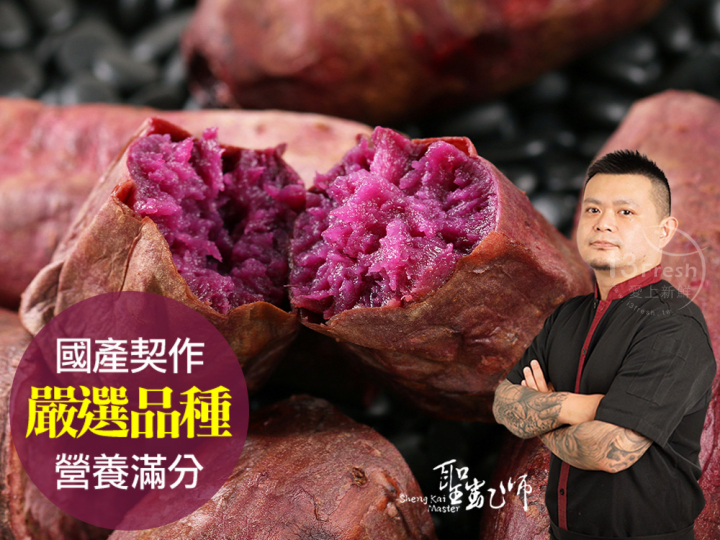
Yes, frozen vegetables can also play a role in preserves! For example, adding finely grated frozen zucchini or carrots can add moisture and natural sweetness without overpowering the fruit flavor. Another innovative idea is blending 【聖凱師】冰烤紫御地瓜 into a fruit jam for a creamy, nutrient-rich spread. The roasted sweet potato adds natural sweetness and a smooth texture that pairs beautifully with berries or stone fruits.

Using Highly Processed Frozen Items for Quick Jam
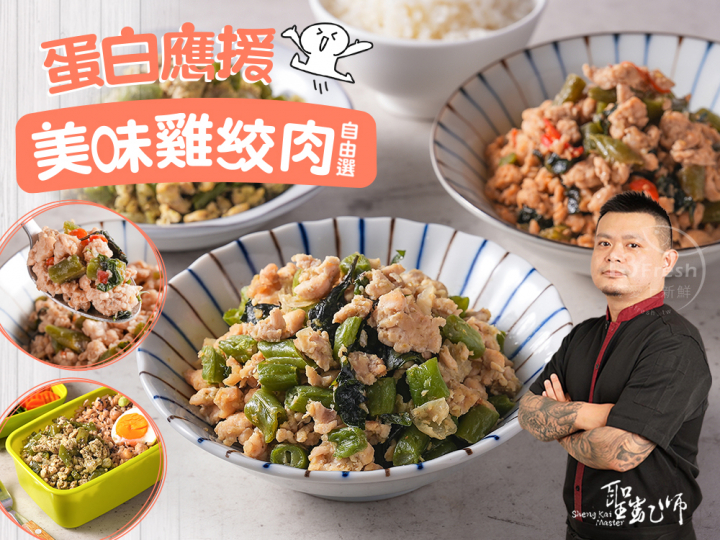
If you’re short on time, you can even use pre-seasoned frozen items as a base for savory preserves. For instance, 聖凱師-美味雞絞肉自由選 might seem unusual for jam, but when cooked down with apples, onions, and spices, it can create a savory chutney or meat spread that’s perfect on toast or crackers. This approach blurs the line between sweet and savory preserves, opening up new culinary possibilities.
Common Mistakes and How to Avoid Them
- Not using enough acid: Frozen fruit can be less acidic; always add lemon juice or citric acid.
- Overcooking: Boiling too long can break down pectin and result in a runny jam. Use a thermometer or plate test.
- Skipping the sterilization step: Skipping jar sterilization can lead to spoilage. Always boil jars and lids.
- Using old frozen fruit: Fruit that has been frozen for over a year may have degraded pectin and flavor. Use within 6–9 months for best results.
Frequently Asked Questions
Can I use frozen fruit straight from the bag?
Yes, you can cook frozen fruit directly without thawing. This is actually preferred to minimize juice loss and preserve pectin.
Do I need to add pectin to frozen fruit jam?
It depends on the fruit. High-pectin fruits like blackberries may not need extra pectin, but low-pectin fruits like strawberries almost always benefit from added pectin or a high-pectin partner.
How long does homemade frozen fruit jam last?
Properly canned and sealed, it lasts up to 1 year in a cool, dark pantry. Once opened, refrigerate and use within 3 weeks.
Final Thoughts
Frozen fruit is a fantastic, often underappreciated ingredient for homemade jams and preserves. With the right knowledge of pectin, sugar, and acid balance, you can create spreads that rival any fresh fruit jam. Experiment with different fruit combinations, and don’t be afraid to incorporate unconventional ingredients like sweet potatoes or pre-seasoned proteins for unique flavors.
Ready to start your jam-making journey? Visit our store to stock up on premium frozen ingredients. For a sweet and versatile base, try 【聖凱師】冰烤紫御地瓜—it’s perfect for adding natural sweetness and creamy texture to your preserves. Happy cooking!