冷冻食品的环境影响:冷冻如何减少食物浪费和碳足迹
By 新鮮食材速遞 | Published: 2026-07-01
Category: Industry News
Discover how frozen food reduces food waste, lowers carbon emissions, and supports sustainable eating. Learn eco-friendly tips and product recommendations for a greener kitchen.
In an era where climate change and food security dominate global conversations, the humble frozen food aisle is emerging as an unexpected hero. Often dismissed as less nutritious or less flavorful than fresh alternatives, frozen food actually offers profound environmental benefits—from dramatically reducing food waste to lowering the carbon footprint of our daily meals. This article dives deep into the science, logistics, and real-world impact of frozen food sustainability, and shows you how making smarter frozen choices can help you eat greener without sacrificing quality.
Understanding the Environmental Impact of Frozen Food
The environmental footprint of any food product encompasses its entire lifecycle: production, processing, packaging, transportation, storage, consumption, and disposal. Frozen food, when sourced and handled responsibly, performs remarkably well in several key areas. According to a 2021 study by the University of Sheffield, frozen food can reduce household food waste by up to 47% compared to fresh equivalents. This alone translates to significant savings in water, land, energy, and greenhouse gas emissions associated with wasted food.
Food Waste: The Hidden Climate Culprit
Globally, roughly one-third of all food produced is lost or wasted, contributing about 8–10% of total anthropogenic greenhouse gas emissions. When fresh produce sits too long in the refrigerator or leftovers get tossed, all the resources used to grow, harvest, transport, and package that food are wasted too. Freezing effectively pauses the biological clock, preserving nutritional value and safety for months or even years. This is why frozen food carbon footprint reductions are most pronounced when comparing frozen versus fresh versions of the same items—especially perishable proteins and vegetables.
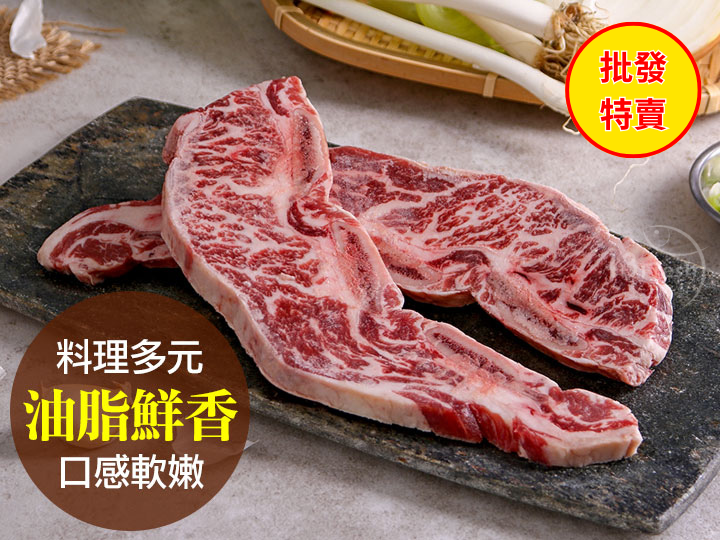
For home cooks, stocking a well-planned freezer with bulk items like 批發價--帶骨牛小排35入 means you can use exactly what you need and store the rest without spoilage. Similarly, versatile frozen vegetables and seafood offer the same flexibility, making it easier to avoid last-minute takeout waste.
How Freezing Reduces Food Waste Across the Supply Chain
The waste-reducing power of freezing operates at multiple levels: at the farm, during processing, in retail, and at home.
- Farm level: Surplus harvests or imperfect produce that would otherwise be left in the field can be flash-frozen at peak ripeness, preserving nutrients and preventing waste.
- Processing level: Frozen food manufacturers can use every edible part of an animal or plant, often with less waste than fresh processing lines.
- Retail level: Frozen products have a much longer shelf life, reducing the amount of unsold food that supermarkets must discard.
- Household level: Home freezers allow consumers to buy in bulk, portion meals, and store leftovers safely—cutting personal food waste dramatically.
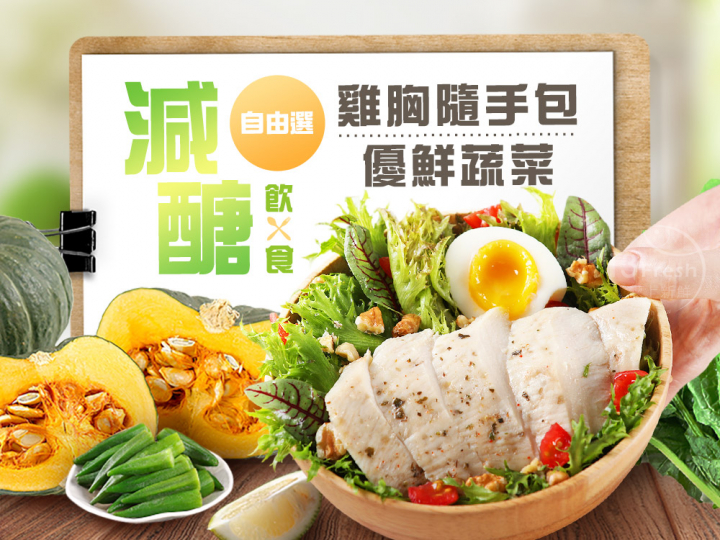
A 2023 report from the American Frozen Food Institute showed that households using frozen foods waste 38% less food than those relying primarily on fresh. This is especially relevant for busy families who might otherwise let fresh produce wilt. By choosing options like 減醣飲食自由選, which bundles pre-portioned, low-carb frozen items, you streamline meal prep and virtually eliminate ingredient waste.
Frozen Food Carbon Footprint vs. Fresh: The Surprising Numbers
Many people assume that fresh, local food is always the most eco-friendly choice. While local, seasonal produce has merits, the carbon story is more nuanced. A landmark life-cycle assessment by the UK’s Waste & Resources Action Programme (WRAP) found that frozen food can have a lower carbon footprint than fresh equivalents in several categories—especially when factoring in household waste.
Consider these comparisons:
| Food Type | Fresh (kg CO₂e per kg) | Frozen (kg CO₂e per kg) | Waste-Adjusted Fresh (kg CO₂e per kg) |
|---|---|---|---|
| Broccoli | 0.8 | 1.1 | 1.3 (30% waste) |
| Salmon | 5.2 | 4.8 | 6.5 (20% waste) |
| Chicken Breast | 3.1 | 2.9 | 3.9 (25% waste) |
| Mixed Vegetables | 0.9 | 1.0 | 1.4 (35% waste) |
Source: Adapted from WRAP (2020) and University of Sheffield Frozen Food Report (2021). Waste-adjusted figures assume average household loss rates for fresh foods.
As the table shows, once realistic household waste is factored in, frozen options often come out ahead. The key takeaway: eco friendly frozen food is not an oxymoron—it's a practical strategy for reducing your kitchen's carbon footprint.
Energy Efficiency and Transportation Emissions
One common criticism of frozen food is the energy required to keep it cold throughout the supply chain. However, modern cold-chain logistics have become remarkably efficient. Large-scale freezers operate at high energy efficiency, and frozen products can be transported in bulk via ship, rail, or truck, often with fewer trips than fresh produce (which requires faster, more frequent deliveries). Additionally, frozen food can be shipped globally without the need for expensive airfreight, which has a massive carbon footprint. For example, frozen seafood from Norway shipped by sea to Asia has a lower per-kg carbon footprint than fresh Norwegian salmon flown via air.
At home, keeping a well-stocked freezer also helps—because a full freezer retains cold better than an empty one, requiring less energy to maintain temperature. This makes buying frozen in bulk both cost-effective and energy-wise.
Packaging: The Sustainability Trade-Off
Frozen food packaging often includes a mix of plastic and cardboard to protect against freezer burn and moisture loss. While plastic is a concern, many brands are shifting toward recyclable or compostable materials. Moreover, the amount of packaging per serving is often lower for frozen meals than for fresh equivalents that use single-use plastic wraps and trays. The key is to look for products with minimal packaging and to recycle what you can.
Practical Tips for an Eco-Friendly Frozen Food Kitchen
Making sustainability a reality in your own kitchen is easier than you think. Here are actionable strategies:
- Buy in bulk wisely: Choose family packs or wholesale portions like 批發價--手工花枝丸30入 to reduce packaging per serving and minimize trips to the store.
- Use portion control: Freeze leftovers in single-serving containers to avoid reheating more than you need.
- Rotate your stock: Practice first-in, first-out (FIFO) to ensure nothing gets buried and forgotten.
- Choose flash-frozen produce: Flash-freezing at peak ripeness locks in more nutrients than fresh produce that has traveled for days.
- Plan meals around your freezer: Keep a list of what’s inside and design weekly menus that use those items first.
For those following low-carb or keto lifestyles, frozen vegetables and meats are ideal. The 90kg一休低醣熱量赤字餐 is a great example of a pre-portioned, low-carb frozen meal solution that reduces waste while supporting your health goals.
The Future of Sustainable Frozen Food
Innovations in freezing technology—such as high-pressure freezing, advanced cold storage, and smart packaging—continue to improve the environmental profile of frozen food. Additionally, more companies are committing to carbon-neutral or regenerative practices. As consumers become more conscious of their food choices, the frozen aisle is evolving into a destination for both convenience and sustainability.
By choosing frozen, you're not just saving time and money—you're actively reducing the environmental impact of your diet. The next time you're planning your grocery list, consider the environmental impact of frozen food and how it can help you waste less and eat better.
Conclusion: Your Freezer as a Climate Ally
Frozen food is no longer just a backup plan for busy nights. It's a powerful tool for reducing food waste, lowering your carbon footprint, and making sustainable eating accessible to everyone. Whether you're stocking up on bulk proteins, versatile vegetables, or ready-to-heat meals, every frozen product you choose is a step toward a greener kitchen and planet.
Ready to start your sustainable frozen journey? Explore our selection of eco-friendly frozen options, including 【聖凱師】日本栗香地瓜塊, a delicious and versatile frozen vegetable that reduces waste and supports a low-impact diet. Fill your freezer with purpose, and enjoy the peace of mind that comes from eating well—for yourself and the Earth.