Frozen vs Fresh Asparagus: Texture, Nutrition, and Best Cooking Methods Compared
By 新鮮食材速遞 | Published: 2026-07-01
Category: Product Reviews
Compare frozen vs fresh asparagus on texture, nutrition, and cooking methods. Learn how to choose the best option for your meals and discover top frozen vegetable buys.
Asparagus is a beloved spring vegetable, prized for its tender spears and earthy flavor. But when it comes to convenience, shelf life, and year-round availability, frozen asparagus has become a strong contender. Whether you're meal-prepping for the week or looking to save money without sacrificing nutrition, understanding the differences between frozen and fresh asparagus can help you make smarter choices in the kitchen. In this comprehensive comparison, we'll break down texture, nutrition, and the best cooking methods for each, so you can decide which fits your lifestyle and recipes best.
Nutritional Showdown: Frozen vs Fresh Asparagus
When it comes to nutrition, both frozen and fresh asparagus offer impressive health benefits, but the processing and storage methods can affect nutrient retention. Asparagus is rich in vitamins A, C, E, K, and B-complex, as well as fiber, folate, and antioxidants like glutathione. The key question is: does freezing diminish these nutrients?
Fresh Asparagus: Peak Nutrition at Harvest
Fresh asparagus is at its nutritional peak immediately after harvest. However, once picked, the vegetable begins to lose moisture and certain vitamins—especially vitamin C and folate—due to exposure to light, air, and heat. Within a few days of refrigeration, the vitamin C content can drop by up to 30-50%. To maximize fresh asparagus nutrition, it's best to consume it within 1-2 days of purchase and store it upright in a glass of water with a plastic bag over the tips.
Frozen Asparagus: Flash-Frozen Goodness
Frozen asparagus is typically blanched (briefly boiled or steamed) and then flash-frozen within hours of harvest. This process locks in most nutrients, including fiber and minerals. While blanching can cause a small loss of water-soluble vitamins like vitamin C and B vitamins, the overall nutritional profile remains close to fresh. In fact, some studies suggest that frozen vegetables can have equal or even higher levels of certain antioxidants compared to fresh ones that have been stored for several days. For busy households, frozen asparagus offers a reliable way to maintain a nutrient-dense diet without worrying about spoilage.
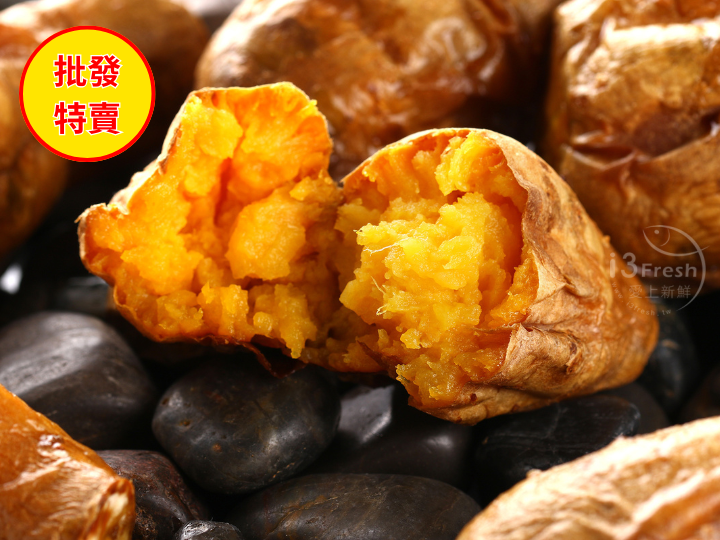
If you're looking to stock up on high-quality frozen vegetables, consider exploring our selection of 批發價--黃金冰烤地瓜50入 and other bulk options to keep your freezer well-stocked.
Texture and Flavor: The Great Divide
Texture is often the biggest deciding factor when choosing between frozen and fresh asparagus. Fresh spears, when cooked properly, offer a delightful snap and tender-crisp bite. Frozen asparagus, due to the blanching process, tends to be softer and more prone to mushiness if overcooked. However, with the right techniques, frozen asparagus can still deliver satisfying results.
Fresh Asparagus Texture
Fresh asparagus has a naturally high water content that creates a juicy, crisp texture when roasted or grilled. The spears hold their shape well and develop appealing char marks. For dishes where presentation matters—like a grilled asparagus side dish or a raw shaved asparagus salad—fresh is the clear winner.
Frozen Asparagus Texture
Frozen asparagus tends to be less firm and can release more moisture during cooking. This makes it ideal for recipes where the asparagus is incorporated into a sauce, soup, or casserole rather than served as a standalone side. For example, frozen asparagus works wonderfully in creamy pasta dishes, stir-fries, or quiches where the texture blends in. To minimize sogginess, avoid thawing before cooking—add frozen spears directly to the pan or oven.
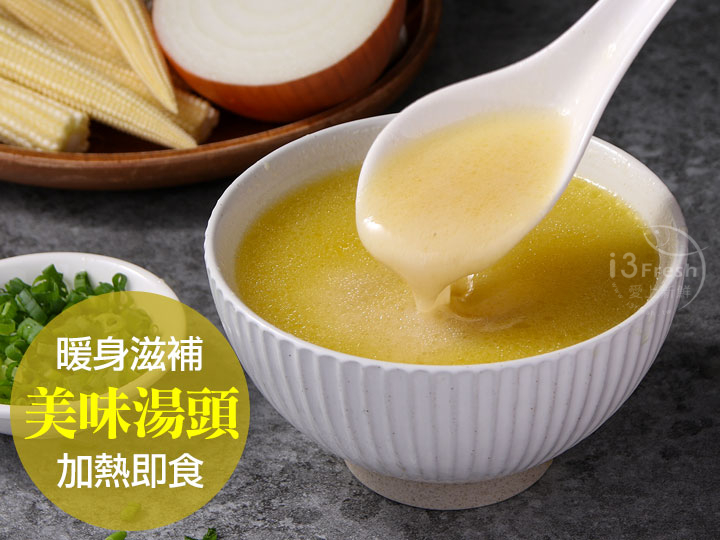
For those who love hearty soups and stews, frozen vegetables like asparagus can be a fantastic base. You can also pair them with ready-made broths such as 黃金土雞白湯 for a quick, nutritious meal.
Best Cooking Methods for Frozen Asparagus
Mastering the art of cooking frozen asparagus can turn it into a versatile staple. Here are the top methods to bring out its best qualities:
- Roasting: Preheat your oven to 425°F (220°C). Toss frozen asparagus spears with olive oil, salt, and pepper. Spread them in a single layer on a baking sheet and roast for 15-20 minutes, flipping halfway. The high heat evaporates moisture and creates a slight caramelization.
- Sautéing: Heat a skillet with butter or oil over medium-high heat. Add frozen asparagus directly and cook for 5-7 minutes, stirring occasionally. Add garlic, lemon juice, or herbs for extra flavor.
- Steaming: Place frozen asparagus in a steamer basket over boiling water. Cover and steam for 3-5 minutes until tender but still bright green. This method preserves the most nutrients.
- Soups and Purees: Frozen asparagus blends beautifully into creamy soups. Simply simmer in broth, then blend until smooth. For added richness, stir in a dollop of cream or a spoonful of a pre-made soup base.
Best Cooking Methods for Fresh Asparagus
Fresh asparagus shines with simpler, quicker cooking techniques that highlight its natural flavor:
- Grilling: Toss fresh spears with oil and grill over medium-high heat for 4-6 minutes, turning occasionally. The char adds a smoky depth.
- Blanching: Boil fresh asparagus for 2-3 minutes, then plunge into ice water. This locks in color and crunch, perfect for salads or crudité platters.
- Roasting: Roast at 400°F (200°C) for 10-15 minutes with oil and seasonings. The tips become crispy while the stalks stay tender.
- Raw: Thinly shave raw asparagus with a mandoline or peeler. Toss with lemon vinaigrette and Parmesan for a refreshing salad.
Cost and Convenience: Frozen Takes the Lead
From a budget perspective, frozen asparagus is often more affordable than fresh, especially when out of season. Buying in bulk can further reduce costs. For instance, our 批發價--黃金冰烤地瓜50入 demonstrates how bulk frozen vegetables offer great value for families and meal preppers. Similarly, frozen asparagus can be purchased in large bags and used as needed without waste.
Fresh asparagus, on the other hand, has a short shelf life—usually 3-5 days in the refrigerator. This can lead to food waste if you don't use it promptly. Frozen asparagus can be stored for 6-12 months, making it a practical choice for those who want to keep a healthy vegetable on hand at all times.
Which One Should You Choose?
The decision ultimately depends on your cooking needs and priorities:
| Criteria | Fresh Asparagus | Frozen Asparagus |
|---|---|---|
| Best for | Grilling, salads, standalone sides | Soups, stir-fries, casseroles, meal prep |
| Nutrition | Peak if consumed quickly | Consistent, long-lasting |
| Texture | Crisp, juicy | Softer, more moisture |
| Shelf life | 3-5 days | 6-12 months |
| Cost | Higher, seasonal | Lower, year-round |
For everyday cooking and convenience, frozen asparagus is a reliable, nutritious, and cost-effective choice. It allows you to enjoy this vegetable any time of the year without worrying about spoilage or price spikes. If you're building a freezer full of quality vegetables, consider pairing frozen asparagus with other bulk frozen items to maximize savings and variety.
Conclusion
Both frozen and fresh asparagus have their place in a healthy kitchen. Fresh wins on texture and visual appeal for special dishes, while frozen excels in convenience, nutrition retention, and value. By understanding the strengths of each, you can confidently choose the right type for your recipes and reduce food waste in the process. Experiment with different cooking methods to discover which works best for your family.
Ready to stock your freezer with premium frozen vegetables? Explore our selection of 批發價--黃金冰烤地瓜50入 and other bulk frozen goods to simplify your meal prep and enjoy delicious, nutritious meals every day.