The Ultimate Guide to Frozen Vegetable Crisps: Healthy Snacking vs. Fresh Alternatives
By 新鮮食材速遞 | Published: 2026-06-26
Category: Product Reviews
Explore the nutritional value, crunch factor, and convenience of frozen vegetable crisps compared to fresh alternatives, plus top picks for guilt-free snacking.
In the quest for healthier snacking, frozen vegetable crisps have emerged as a crunchy, flavorful, and nutrient-packed alternative to traditional potato chips and processed snacks. But how do they stack up against fresh vegetable chips or raw veggie sticks? In this guide, we’ll compare frozen vegetable crisps with fresh alternatives in terms of nutritional value, texture, convenience, and cost. We’ll also highlight two must-try products from 新鮮食材速遞 that make snacking both delicious and smart.
What Are Frozen Vegetable Crisps?
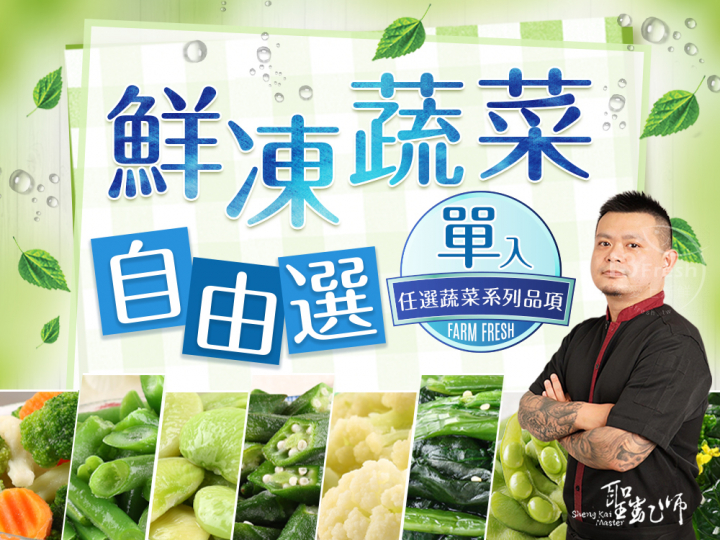
Frozen vegetable crisps are pre-cut, seasoned vegetables that are flash-frozen and then baked or air-fried to achieve a crunchy texture. Unlike fresh vegetable chips, which are often deep-fried or dehydrated, frozen crisps retain more vitamins and minerals because they are processed at peak ripeness and frozen immediately. Common varieties include kale, beet, carrot, broccoli, and zucchini crisps. Brands like 聖凱師-鮮凍蔬菜自由選 offer a medley of frozen vegetables that can be transformed into crispy snacks at home.
Nutritional Comparison: Frozen vs. Fresh Vegetable Crisps
When comparing frozen vegetable crisps to fresh alternatives, the nutritional profile is a key factor. Fresh vegetables are often considered the gold standard, but the journey from farm to table can degrade certain vitamins, especially vitamin C and folate. Frozen vegetables, on the other hand, are harvested at peak ripeness and flash-frozen within hours, locking in nutrients. A study by the University of Georgia found that frozen vegetables can have similar or even higher levels of vitamins A and C compared to their fresh counterparts after several days of storage.
Key Nutrients in Frozen Vegetable Crisps
- Fiber: Vegetables like kale, broccoli, and beets are rich in dietary fiber, which aids digestion and promotes satiety.
- Antioxidants: Frozen vegetables retain high levels of flavonoids and carotenoids, which help fight oxidative stress.
- Vitamins: Flash-freezing preserves water-soluble vitamins better than prolonged refrigeration.
Fresh vegetable chips, especially those sold in stores, often contain added oils and salt for flavor and preservation. In contrast, frozen crisps—when prepared at home using an air fryer or oven—allow you to control the amount of oil and seasoning. This makes them a cleaner choice for weight management or low-sodium diets.
Texture and Crunch: The Crispiness Factor
One of the biggest selling points of vegetable crisps is their satisfying crunch. Fresh vegetable chips can become soggy if not consumed quickly, especially if they are homemade and not dehydrated properly. Frozen vegetable crisps, when cooked directly from frozen, develop a superior crunch because the ice crystals create tiny air pockets during baking, resulting in a light, crispy texture. For best results, toss frozen vegetables like broccoli florets or carrot sticks with a small amount of olive oil and seasonings, then air-fry at 375°F (190°C) for 12–15 minutes.
If you’re looking for a ready-to-eat option, consider 歐風黃芥籽藜麥鷹嘴豆—a unique blend of crunchy legumes and seeds that delivers a satisfying, savory snack without the need for additional prep. This product is perfect for those who want the crunch of crisps with a boost of plant-based protein.

Convenience and Shelf Life
Fresh vegetable chips have a short shelf life—usually a few days to a week—and require careful storage to prevent wilting or spoilage. Frozen vegetable crisps, on the other hand, can be stored in the freezer for months without losing quality. This makes them an excellent pantry staple for busy households. You can pull out a handful of frozen vegetables, season them, and have a healthy snack ready in under 20 minutes.
For ultimate convenience, the 聖凱師-鮮凍蔬菜自由選 package includes a variety of individually frozen vegetables, allowing you to mix and match for different crisps. This flexibility reduces food waste and encourages creative snacking.
Cost-Effectiveness: Frozen vs. Fresh
Fresh vegetables can be expensive, especially out of season, and they often go bad before you can use them all. Frozen vegetables are typically more affordable per serving and have zero waste (you use only what you need). A bag of frozen broccoli florets costs roughly the same as a fresh head but lasts for months. When making crisps, using frozen vegetables can cut your snack budget by 30–50% compared to buying pre-made fresh vegetable chips.
Flavor Profiles and Seasoning Possibilities
Fresh vegetable chips often rely on heavy salt or sugar to mask natural bitterness (e.g., kale chips). Frozen vegetable crisps, because they are cooked from frozen, develop a concentrated, slightly sweet flavor as the natural sugars caramelize. You can experiment with diverse seasonings: smoked paprika, garlic powder, nutritional yeast (for a cheesy flavor), or even a dash of cayenne. For a bold, Asian-inspired twist, try tossing frozen vegetables with soy sauce and sesame oil before baking.
Another excellent option for savory snacking is 川味煙燻無骨鳳爪(微辣), which offers a spicy, smoky flavor profile—though not a crisp per se, it pairs wonderfully with a side of crunchy vegetable chips for a balanced snack plate.
How to Make Perfect Frozen Vegetable Crisps at Home
- Choose your vegetables: Broccoli, cauliflower, carrots, beets, and kale all work well. For best results, use frozen vegetables that are cut into uniform sizes.
- Season directly from frozen: Toss the frozen vegetables with olive oil (1 tablespoon per 2 cups) and your choice of spices. Do not thaw first—this ensures maximum crunch.
- Cook in a single layer: Spread the vegetables on a baking sheet lined with parchment paper. Avoid overcrowding to allow steam to escape.
- Bake or air-fry: Bake at 400°F (200°C) for 20–25 minutes, flipping halfway, or air-fry at 375°F for 12–15 minutes.
- Cool before serving: Let the crisps rest for 5 minutes—they will continue to crisp up as they cool.
Health Benefits of Switching to Frozen Vegetable Crisps
Making the switch to frozen vegetable crisps can have measurable health benefits. They are naturally lower in calories and fat than traditional chips, and they provide essential micronutrients. For example, beet crisps are rich in folate and potassium, while kale crisps offer high levels of vitamin K and calcium. Additionally, the fiber content helps keep you full longer, reducing the temptation to over-snack.
If you are following a low-carb or ketogenic diet, frozen vegetable crisps made from zucchini or broccoli are excellent alternatives to grain-based snacks. They also fit well into gluten-free, vegan, and Whole30 eating plans.
Common Myths About Frozen Vegetables
- Myth: Frozen vegetables are less nutritious. Fact: Flash-freezing preserves nutrients better than fresh produce that sits on shelves for days.
- Myth: Frozen vegetables are watery. Fact: When cooked from frozen, excess moisture evaporates quickly, resulting in a crispy texture.
- Myth: Fresh is always better for snacking. Fact: Frozen vegetable crisps can be more convenient and just as tasty with proper preparation.
Conclusion and Call to Action
Frozen vegetable crisps offer a winning combination of nutrition, convenience, and crunch that fresh alternatives often can’t match. Whether you’re a health-conscious snacker or a busy parent looking for quick, wholesome options, incorporating frozen vegetables into your crisp-making routine is a smart move. Start your journey today by exploring 歐風黃芥籽藜麥鷹嘴豆 at 新鮮食材速遞—a delicious, protein-packed snack that pairs perfectly with your homemade crisps. Order now and elevate your healthy snacking game!