The Future of Frozen Dumpling Production: Automation, Quality, and Consumer Trends in 2025
By 新鮮食材速遞 | Published: 2026-06-25
Category: Industry News
Explore how automation, quality control, and evolving consumer preferences are reshaping frozen dumpling production in 2025, with insights on sourcing ingredients like frozen vegetables.
As the global frozen food industry continues to evolve, frozen dumplings have emerged as a standout category, blending tradition with innovation. In 2025, the production of frozen dumplings is undergoing a transformative shift driven by automation, heightened quality standards, and changing consumer demands. From smart factories that churn out thousands of dumplings per hour to home cooks seeking convenient yet nutritious meal solutions, the landscape is rapidly changing. This article delves into the key trends shaping frozen dumpling production, including advancements in automated dumpling making, strategies for maintaining frozen dumpling quality, and the broader frozen food industry trends that are influencing consumer choices. Whether you're a food manufacturer, a home chef, or a curious foodie, understanding these developments can help you make informed decisions about sourcing ingredients and enjoying high-quality frozen dumplings at home.
The Rise of Automation in Dumpling Production
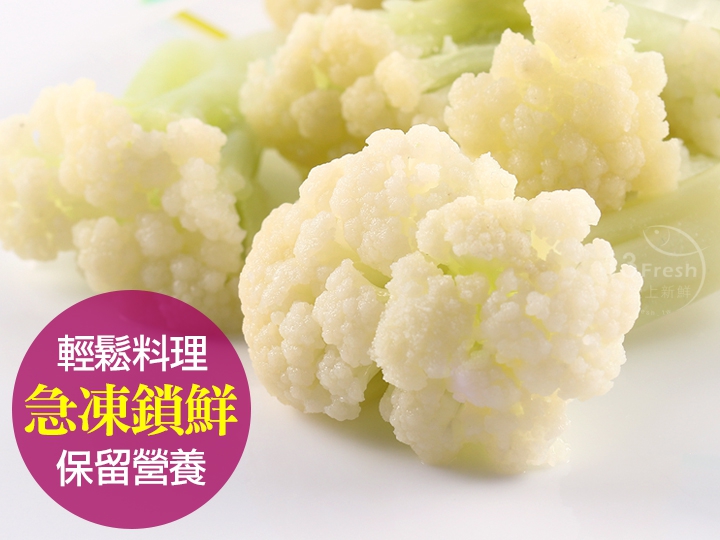
Automation has become a cornerstone of modern frozen dumpling production, enabling manufacturers to scale up while ensuring consistency. In 2025, automated dumpling making machines are more sophisticated than ever, featuring AI-driven vision systems that inspect each dumpling for shape, fill level, and seal integrity. These systems can produce up to 50,000 dumplings per hour, a significant leap from manual or semi-automated processes. Key innovations include robotic wrappers that mimic hand-folding techniques, dough sheeters that adjust thickness in real-time, and multi-stage freezers that lock in freshness rapidly. For manufacturers, this means reduced labor costs, minimized waste, and the ability to offer a wider variety of fillings—from classic pork and cabbage to plant-based options. As automation reduces production bottlenecks, the focus shifts to ingredient sourcing, where quality vegetables and proteins are essential. For instance, using 鮮凍白花椰菜 as a filler or base in vegetable dumplings not only adds texture but also ensures a nutrient-dense product that freezes well, thanks to its low water content and firm structure.
Maintaining Frozen Dumpling Quality: From Dough to Filling
Quality is the defining factor that separates premium frozen dumplings from mediocre ones. In 2025, consumers are increasingly discerning, expecting restaurant-quality taste and texture from frozen products. Key aspects of frozen dumpling quality include dough elasticity, filling moisture balance, and freeze-thaw stability. Advanced freezing techniques, such as individual quick freezing (IQF), prevent ice crystal formation, preserving the dumpling's integrity. Manufacturers are also investing in ingredient traceability, sourcing vegetables that are frozen at peak freshness to lock in flavor and nutrients. For example, incorporating 【聖凱師】鮮凍菠菜 into dumpling fillings provides a vibrant green color and a mild, earthy flavor that holds up well during freezing and reheating. This product is flash-frozen within hours of harvest, ensuring that the spinach retains its vitamins and crispness. Additionally, quality control now extends to packaging, with resealable bags and oxygen-barrier films becoming standard to extend shelf life without preservatives. By prioritizing ingredient quality, manufacturers can meet the rising consumer demand for clean-label, minimally processed foods.

Consumer Trends Driving Innovation in 2025
The frozen dumpling market in 2025 is shaped by several consumer trends, including health consciousness, convenience, and global flavor exploration. Health-conscious buyers are seeking dumplings made with whole-grain wrappers, lean proteins, and abundant vegetables. This has led to innovations like cauliflower-based wrappers and fillings that incorporate superfoods such as kale, quinoa, and broccoli. Convenience remains a top priority, with single-serve packs and microwaveable steam-bags gaining popularity among busy professionals and students. Meanwhile, global flavor trends are expanding beyond traditional Asian fillings to include fusion options like buffalo chicken, tikka masala, and Mediterranean-spiced lamb. These trends are not only influencing what goes inside dumplings but also how they are marketed and distributed. E-commerce platforms like 新鮮食材速遞 are responding by offering curated selections of frozen dumplings and complementary items, such as dipping sauces and frozen vegetable blends, making it easy for consumers to build complete meals. The demand for transparency in sourcing is also driving interest in products that highlight specific ingredients, such as 鮮凍白花椰菜米(家庭號), which can be used as a low-carb alternative in dumpling fillings or as a side dish.
The Role of Frozen Vegetables in Dumpling Production
Vegetables are a critical component of frozen dumplings, providing flavor, texture, and nutritional value. In 2025, the frozen food industry is seeing a surge in the use of frozen vegetables as a primary ingredient in fillings, driven by their consistent quality and year-round availability. Frozen vegetables are typically harvested at peak ripeness and flash-frozen within hours, preserving vitamins and minerals that can degrade during transport or storage of fresh produce. For dumpling manufacturers, this means a reliable supply chain without the seasonal fluctuations of fresh vegetables. Products like frozen broccoli, spinach, and cauliflower are popular choices, as their firm texture holds up well during mixing and freezing. For home cooks, using frozen vegetables simplifies meal prep—no washing, chopping, or blanching required. Simply thaw, squeeze out excess moisture, and mix with ground meat or tofu for a quick filling. The 【聖凱師】鮮凍菠菜 is an excellent example, as it comes pre-washed and chopped, ready to use in dumplings, soups, or stir-fries. Including frozen vegetables in dumplings also appeals to health-conscious consumers who want to increase their vegetable intake without compromising on taste or convenience.
Automation and Ingredient Sourcing: A Symbiotic Relationship
The integration of automation in dumpling production has a direct impact on ingredient sourcing strategies. Automated systems require ingredients that meet precise specifications—uniform size, moisture content, and texture—to ensure consistent output. This has led to closer partnerships between manufacturers and suppliers of frozen vegetables, who can guarantee these parameters through controlled growing, harvesting, and freezing processes. For example, frozen cauliflower florets are often selected for their consistent size and low moisture content, making them ideal for automated filling machines that need to maintain a steady flow. Similarly, frozen spinach is preferred over fresh because it has a standardized moisture level after thawing and draining, reducing variability in the filling. This symbiotic relationship benefits both sides: manufacturers achieve higher efficiency and product quality, while suppliers secure long-term contracts and market stability. As automation continues to evolve, we can expect even greater reliance on frozen ingredients that offer both convenience and reliability, ultimately lowering costs for consumers.
Sustainability and Ethical Sourcing in Frozen Dumplings
Sustainability is a growing concern in the frozen food industry, and frozen dumpling producers are responding with eco-friendly practices. In 2025, many manufacturers are adopting sustainable packaging made from recycled or compostable materials, reducing plastic waste. They are also focusing on ethical sourcing of ingredients, such as cage-free eggs for dough, sustainably farmed seafood for fillings, and locally grown vegetables where possible. Frozen vegetables themselves have a lower carbon footprint compared to fresh produce that is shipped long distances, as freezing reduces spoilage and allows for efficient logistics. Some companies are even partnering with farmers to implement regenerative agriculture practices that improve soil health and biodiversity. For consumers, choosing frozen dumplings made with sustainable ingredients supports a more environmentally friendly food system. When shopping, look for certifications like MSC for seafood or organic labels for vegetables. The trend toward transparency is also reflected in product labeling, with QR codes that allow consumers to trace the origin of ingredients—a feature that is becoming a market differentiator.
How to Choose the Best Frozen Dumplings at Home
With so many options available, selecting high-quality frozen dumplings can be overwhelming. Here are some tips for making an informed choice:
- Check the ingredient list: Look for dumplings with a short, recognizable ingredient list. Avoid those with artificial preservatives, flavors, or excessive sodium. Premium brands often highlight whole ingredients like 鮮凍白花椰菜 or free-range chicken.
- Examine the texture: After cooking, the wrapper should be tender but not soggy, and the filling should be moist and flavorful. Read reviews or try a small pack first to assess quality.
- Consider convenience: Some dumplings are designed for specific cooking methods, such as pan-frying, steaming, or microwaving. Choose based on your preferred technique and time constraints.
- Pair with complementary sides: Frozen dumplings make a complete meal when served with a side of steamed vegetables or a salad. Consider adding a portion of 鮮凍白花椰菜米(家庭號) for a low-carb, nutrient-rich accompaniment.
- Look for sustainable packaging: Opt for brands that use recyclable or minimal packaging to reduce environmental impact.
By following these guidelines, you can enjoy delicious, high-quality frozen dumplings that fit your dietary preferences and lifestyle.
The Future Outlook: AI, Personalization, and Beyond
Looking ahead, the frozen dumpling industry in 2025 is poised for further innovation, driven by artificial intelligence and consumer personalization. AI algorithms are being used to predict flavor trends, optimize supply chains, and even customize dumpling recipes based on individual taste profiles. Imagine ordering a batch of frozen dumplings with a filling adjusted to your preferred spice level or vegetable ratio—this is becoming a reality as manufacturers adopt made-to-order models. Additionally, smart packaging with freshness indicators and cooking instructions that sync with your kitchen appliances are on the horizon. These advancements will make frozen dumplings even more convenient and tailored to individual needs. As the industry continues to evolve, one thing remains constant: the importance of high-quality ingredients. Whether you are a producer or a consumer, focusing on the source and quality of components like frozen vegetables will ensure that frozen dumplings remain a beloved staple in households worldwide.
Ready to elevate your frozen dumpling game? Explore our selection of premium frozen vegetables and dumpling-friendly ingredients at 新鮮食材速遞. We invite you to try 【聖凱師】鮮凍菠菜 today—perfect for crafting flavorful, nutritious dumpling fillings that freeze beautifully and cook up perfectly every time. Click the link to add it to your cart and start creating your own delicious dumplings at home!