Frozen vs. Fresh Seafood for Sashimi: Which Is Safer and More Practical for Home Use?
By 新鮮食材速遞 | Published: 2026-06-26
Category: Industry News
Discover the key differences between frozen and fresh seafood for homemade sashimi, including safety, texture, and practicality. Learn expert tips for choosing the best fish and explore convenient frozen options.
When it comes to making sashimi at home, the debate between frozen and fresh seafood often leaves home cooks puzzled. Many assume that fresh fish from the market is the gold standard, but food safety experts and sushi chefs alike have long advocated for frozen seafood as a safer and often superior choice. In this article, we will explore the science behind freezing, the safety considerations, and how you can enjoy restaurant-quality sashimi at home using high-quality frozen products.
Understanding the Safety of Seafood for Sashimi
Sashimi-grade fish must be handled with extreme care to prevent foodborne illnesses. The primary concern is parasites, such as anisakis, which can be present in raw or undercooked seafood. According to food safety guidelines from organizations like the FDA, freezing fish at specific temperatures kills parasites effectively. For home use, this means that properly frozen seafood is often safer than so-called "fresh" fish that may have been caught days earlier and not subjected to proper parasite control.
Fresh fish from a local market may look appealing, but unless it has been frozen to -20°C (-4°F) for at least 7 days or flash-frozen at -35°C (-31°F) for 15 hours, it may still harbor harmful organisms. This is why many sushi restaurants use frozen seafood for their raw preparations. For the home cook, selecting frozen options eliminates guesswork and reduces risk.
Key Safety Guidelines for Home Sashimi
- Always choose fish labeled as "sashimi-grade" or "for raw consumption" – this indicates it has been handled with safety protocols.
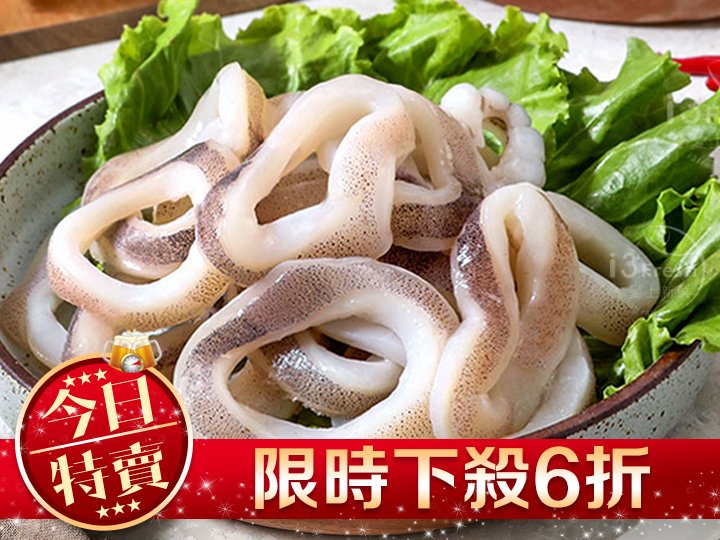
- Opt for frozen seafood that has been blast-frozen to kill parasites. Products like 鮮凍特選魷魚圈 are flash-frozen at sea, locking in freshness and safety.
- Thaw properly in the refrigerator, never at room temperature, to maintain texture and prevent bacterial growth.
- Check for clear labeling – some frozen fish is specifically processed for raw consumption.
Texture and Flavor: Frozen vs. Fresh
Many people worry that freezing damages the delicate texture of sashimi. However, modern freezing techniques have advanced significantly. Flash-freezing, also known as blast freezing, rapidly brings the temperature down, forming small ice crystals that minimally disrupt cell structure. This preserves the fish's natural moisture and firmness, resulting in a texture that rivals fresh fish.
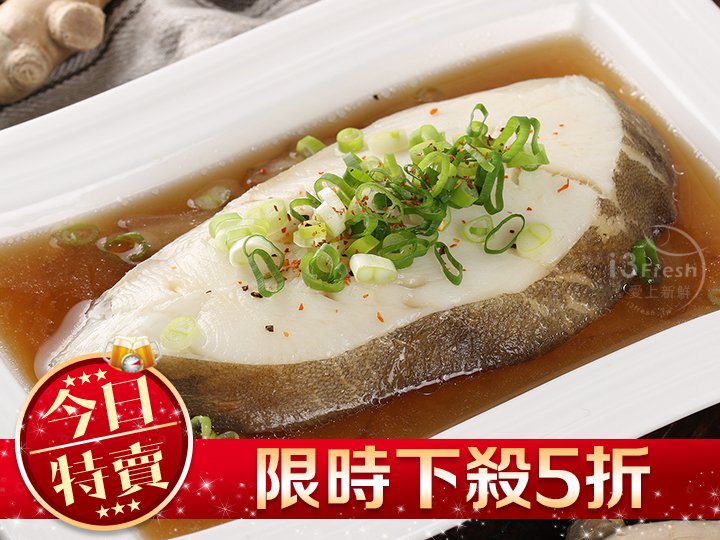
In contrast, slow freezing at home can cause large ice crystals to form, which rupture cell walls and lead to a mushy, watery texture after thawing. For this reason, it is crucial to purchase seafood that has been frozen professionally. For example, 厚切大比目魚(扁鱈) is flash-frozen to maintain its flaky, buttery texture, making it an excellent candidate for sashimi-style preparations when sliced thin.
Flavor-wise, frozen seafood often retains its freshness better than fresh fish that has been sitting on ice for days. The moment a fish is caught, enzymes begin to degrade its flavor. Freezing halts this process, locking in the taste of the ocean. Many chefs argue that properly frozen fish can taste superior to "fresh" fish that has undergone a long supply chain.
Practicality for Home Cooks
For the home cook, frozen seafood offers unparalleled convenience and flexibility. You can stock up on a variety of fish without worrying about immediate consumption. This is especially useful for those who enjoy making sashimi as a treat rather than a daily meal.
Frozen seafood also reduces food waste. You can thaw only what you need, keeping the rest safely stored for later. Products like 招牌紅燒牛肉湯 are not directly sashimi, but they demonstrate the breadth of frozen options available for creating complete meals. For sashimi, consider pairing your frozen fish with other frozen appetizers, such as 剝皮辣椒虱目魚丸, which can be quickly cooked into a soup to accompany your sashimi platter.
Tips for Thawing Frozen Seafood for Sashimi
- Plan ahead: Transfer the frozen fish from the freezer to the refrigerator 24 hours before serving. Slow thawing preserves texture.
- Avoid water thawing: Submerging fish in water can cause moisture loss and affect flavor. If you are in a hurry, use a sealed bag in cold water, changing the water every 30 minutes.
- Pat dry: Before slicing, gently pat the fish with a paper towel to remove excess moisture. This ensures clean cuts and better presentation.
- Use a sharp knife: A sharp, long-bladed knife (like a yanagiba) is essential for smooth, even slices.
Comparing Frozen and Fresh Seafood: A Quick Reference
| Aspect | Frozen Seafood | Fresh Seafood |
|---|---|---|
| Parasite safety | High (if flash-frozen) | Variable (depends on handling) |
| Texture retention | Good with proper freezing | Excellent if very fresh |
| Shelf life | Months in freezer | 1-2 days in refrigerator |
| Convenience | High (can store and thaw as needed) | Low (requires immediate use) |
| Cost | Often more affordable per portion | Premium price for peak freshness |
Environmental and Economic Considerations
Choosing frozen seafood can also be a more sustainable option. Flash-freezing at sea allows fishing vessels to stay out longer and process fish immediately, reducing fuel consumption and carbon footprint per catch. Additionally, frozen seafood reduces food waste at the consumer level, as you can use only what you need.
Economically, frozen fish is often more affordable than fresh, especially for premium cuts like sashimi-grade tuna or salmon. This makes it accessible for home cooks who want to experiment with raw fish without breaking the bank. By purchasing from a trusted supplier like 新鮮食材速遞, you benefit from rigorous quality control and transparent sourcing.
Common Myths About Frozen Seafood for Sashimi
Myth 1: Frozen fish loses all its flavor
Not true. As mentioned, flash-freezing preserves flavor. Many blind taste tests have shown that frozen fish can be indistinguishable from fresh when prepared correctly.
Myth 2: Frozen fish is only for cooking
While some frozen fish is best cooked, many products are explicitly processed for raw consumption. Always check the label or ask your supplier.
Myth 3: You can refreeze thawed fish
For sashimi, it is not recommended to refreeze thawed fish, as texture and safety degrade. Plan your thawing accordingly.
Conclusion and Call to Action
In the frozen vs. fresh seafood debate for sashimi, frozen seafood emerges as the safer, more practical, and often equally delicious choice for home use. By selecting flash-frozen products from reputable sources, you can enjoy the delicate art of sashimi without compromising on safety or quality. Start your home sashimi journey today with carefully curated frozen options from 鮮凍特選魷魚圈, a perfect example of how freezing locks in freshness and safety. Visit 新鮮食材速遞 to explore our full range of frozen seafood and elevate your home dining experience.