Frozen vs. Fresh Salmon: Which Is Better for Nutrition, Taste, and Cooking Performance?
By 新鮮食材速遞 | Published: 2026-06-30
Category: Product Reviews
Compare frozen and fresh salmon on nutrition, taste, texture, and cooking performance. Learn which option suits your kitchen and budget, plus tips for perfect results every time.
Salmon is one of the most popular seafood choices for home cooks, prized for its rich flavor, firm texture, and impressive nutritional profile. But when you stand in the grocery aisle, a common dilemma arises: should you buy fresh or frozen salmon? Each option has its advocates, and the answer often depends on your priorities—convenience, cost, sustainability, or taste. In this comprehensive guide, we break down the differences between frozen and fresh salmon across nutrition, taste, texture, and cooking performance, so you can make an informed decision for your next meal.
Nutritional Comparison: Frozen vs. Fresh Salmon
One of the biggest myths about frozen seafood is that it loses nutrients during the freezing process. In reality, modern flash-freezing techniques lock in nutrients at peak freshness, often making frozen salmon nutritionally comparable—or even superior—to fresh fish that has spent days in transit.
Key Nutrients in Salmon
- Omega-3 fatty acids: Salmon is one of the richest sources of EPA and DHA, essential for heart and brain health. Studies show that properly frozen salmon retains up to 90% of its omega-3 content.
- Protein: Both fresh and frozen salmon provide about 20–22 grams of protein per 100-gram serving, with negligible differences.
- Vitamins and minerals: Salmon is high in B vitamins, selenium, and potassium. Freezing does not significantly degrade these nutrients.
- Vitamin D: Wild salmon is an excellent source. Frozen wild salmon often has higher vitamin D levels than farmed fresh salmon due to diet and handling.
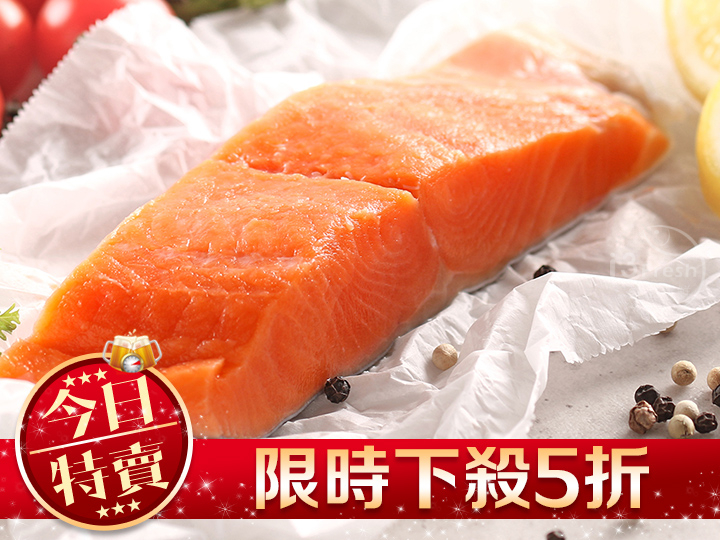
The bottom line: if you choose high-quality frozen salmon, such as 鮮凍智利鮭魚菲力, you are getting a product that is flash-frozen shortly after catch, preserving its nutritional value. Fresh salmon that has been stored for a week may actually have lower nutrient levels due to oxidation and enzymatic breakdown.
Taste and Texture: What to Expect
Taste is subjective, but there are objective differences in how freezing affects salmon’s flavor and mouthfeel.
Fresh Salmon
Fresh, never-frozen salmon has a delicate, buttery texture and a clean, mild flavor. The flesh is moist and flakes easily when cooked. However, “fresh” salmon at the supermarket may be several days old, and its quality depends heavily on handling and storage.
Frozen Salmon
Properly frozen and thawed salmon can closely mimic fresh. The key is the freezing method. Individually quick-frozen (IQF) salmon, like the 鮮凍智利鮭魚菲力, is frozen at extremely low temperatures, forming small ice crystals that minimize cell damage. When thawed slowly in the refrigerator, the texture remains moist and flaky. Some people detect a slightly denser texture after freezing, but many blind taste tests show that even trained chefs cannot reliably distinguish high-quality frozen from fresh salmon.
Cooking Performance: Tips for Perfect Results
Cooking frozen salmon is different from cooking fresh, but with the right techniques, you can achieve excellent results.
Cooking Fresh Salmon
- Pan-searing: Pat dry, season, and cook skin-side down over medium-high heat for 4–5 minutes, then flip.
- Baking: Bake at 375°F (190°C) for 12–15 minutes, depending on thickness.
- Grilling: Use a fish basket or foil to prevent sticking.
Cooking Frozen Salmon (Without Thawing)
- Pan-searing from frozen: Add a splash of water to the pan and cover to steam-cook the interior, then uncover to crisp the skin.
- Baking from frozen: Increase cooking time by 50% (e.g., 18–22 minutes at 375°F). Use a thermometer to ensure internal temperature reaches 145°F.
- Poaching: Place frozen fillets in simmering broth or water and cook for 10–12 minutes.
One advantage of frozen salmon is that it is less prone to overcooking because the ice crystals inside act as a buffer. For best results, always cook from frozen or thaw overnight in the refrigerator—never at room temperature.
Cost and Convenience
| Factor | Fresh Salmon | Frozen Salmon |
|---|---|---|
| Price per pound | Higher (often $10–$15) | Lower ($6–$10 on sale) |
| Shelf life | 1–2 days in fridge | 6–12 months in freezer |
| Preparation time | Minimal (season and cook) | May need thawing (or cook from frozen) |
| Availability | Seasonal, limited | Year-round, consistent |
If you meal prep or cook for a busy family, frozen salmon offers unbeatable convenience. You can stock up during sales and always have a healthy protein on hand. For those following a specific nutrition plan, options like the 65kg一休客製化熱量赤字餐 incorporate portion-controlled salmon to support weight management goals.

Sustainability and Traceability
Both fresh and frozen salmon can be sustainable, but frozen often has a lower carbon footprint because it can be transported by sea (rather than air) and reduces food waste. Look for certifications like ASC (Aquaculture Stewardship Council) or MSC (Marine Stewardship Council). Many frozen brands now offer transparent sourcing information, so you can trace your fish back to its origin.
Common Myths About Frozen Salmon
- Myth: Frozen salmon is less flavorful. Fact: Flash-frozen salmon can be just as flavorful, especially if it’s frozen at sea.
- Myth: Frozen salmon is watery. Fact: Watery texture happens when salmon is thawed too quickly or refrozen. Proper handling prevents this.
- Myth: You can’t use frozen salmon for sushi. Fact: The FDA recommends freezing fish at -4°F (-20°C) for 7 days to kill parasites, making frozen salmon safer for raw consumption than most “fresh” store-bought fish.
Final Verdict: Which Should You Choose?
For everyday cooking, frozen salmon is an excellent choice—it’s nutritious, affordable, and convenient. If you have access to truly fresh, locally caught salmon and plan to eat it within a day, fresh wins on texture. But for most home chefs, high-quality frozen salmon delivers the best balance of value, nutrition, and ease. Give it a try with a premium product like 鮮凍智利鮭魚菲力, and you may never look back.
Ready to upgrade your seafood game? Explore our selection of premium frozen salmon and discover how easy it is to prepare restaurant-quality meals at home. Whether you’re a seasoned chef or a busy parent, having frozen salmon in your freezer means healthy, delicious dinners are always within reach.