The Rise of Frozen Gourmet Ready-to-Heat Seafood Soups: Trends in Quality and Convenience for 2025
By 新鮮食材速遞 | Published: 2026-06-30
Category: Industry News
Explore 2025's top trends in frozen gourmet ready-to-heat seafood soups, from quality innovations to convenience. Discover how to choose and enjoy these elevated frozen soups at home.
In 2025, the frozen food aisle is undergoing a quiet revolution, and seafood soups are leading the charge. Gone are the days when frozen soup meant a watery, flavorless bowl of sodium-laden broth. Today's frozen gourmet ready-to-heat seafood soups are crafted with premium ingredients, chef-driven recipes, and flash-freezing technology that locks in taste and nutrition. For busy home cooks, working professionals, and health-conscious foodies, these soups offer a perfect balance of quality and convenience—a trend that is reshaping the convenience food landscape. In this article, we dive into the key trends driving the rise of frozen seafood soups, how to identify high-quality options, and why this category is a must-watch in 2025.
Why Frozen Seafood Soups Are Gaining Momentum
The global frozen soup market is projected to grow steadily, with seafood soups becoming a standout segment. Several factors fuel this growth:
- Time poverty: Modern consumers want restaurant-quality meals without the prep time. Frozen ready-to-heat soups deliver in minutes.
- Improved freezing technology: Flash-freezing preserves the texture of delicate seafood like shrimp, clams, and fish, avoiding the mushiness that once plagued frozen soups.
- Clean-label demand: Brands are responding with transparent ingredient lists, no artificial preservatives, and real seafood pieces.
- Sustainability: Frozen seafood often comes from responsibly sourced fisheries, and bulk packaging reduces food waste.
In 2025, consumers are also more adventurous. They seek global flavors—from Thai coconut-lime seafood soup to classic New England clam chowder—and frozen options make these accessible year-round.
Quality Indicators for Frozen Gourmet Seafood Soups
Not all frozen soups are created equal. To identify a premium product, look for these markers:
| Quality Factor | What to Look For |
|---|---|
| Seafood Type & Amount | Named seafood (e.g., wild-caught salmon, ocean-caught shrimp) listed first. Avoid vague terms like "fish" or "seafood blend." |
| Base Broth | Real fish or shellfish stock, not just water and flavor enhancers. |
| Vegetable & Herb Content | Chunky carrots, celery, onions, and fresh herbs like dill or parsley. |
| Texture Retention | Seafood should be firm after reheating, not rubbery or disintegrated. |
| Packaging | BPA-free, easy-open pouches or trays that allow microwave or stovetop heating. |
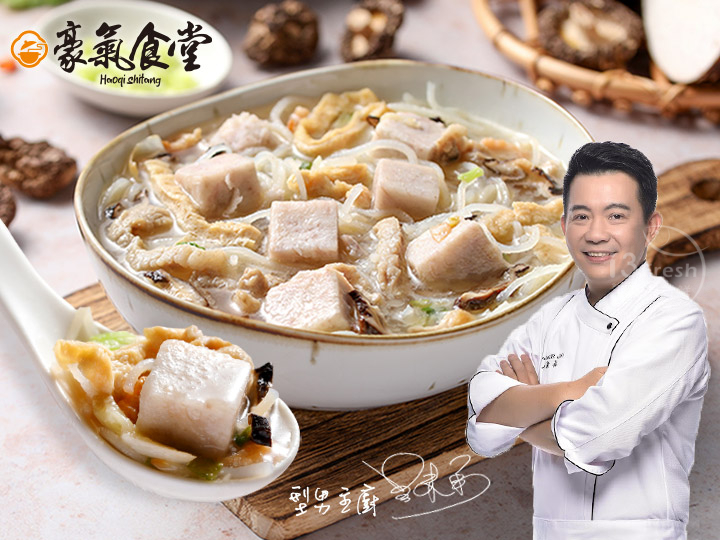
One standout example in this category is the 豪氣食堂台式芋頭炊粉湯, a hearty seafood soup that combines tender taro root and vermicelli noodles with a rich, umami-packed broth. It exemplifies how frozen gourmet soups can deliver authentic regional flavors with minimal effort.
Trend 1: Chef-Driven Recipes and Global Inspirations
In 2025, frozen soup brands are partnering with renowned chefs to create signature recipes. These collaborations elevate the category from simple comfort food to a gourmet experience. Expect to see flavors inspired by coastal cuisines: bouillabaisse from France, tom yum from Thailand, zarzuela from Spain, and cioppino from Italy. The use of premium ingredients like 鮮凍智利鮭魚—flash-frozen at peak freshness—ensures that the seafood retains its natural moisture and flakiness even after reheating.

Trend 2: Functional and Health-Conscious Formulations
Today's consumers want food that nourishes body and mind. Frozen seafood soups are being fortified with protein-rich seafood, omega-3 fatty acids, and low-sodium broths. Some brands offer gluten-free, keto-friendly, or high-fiber options. The rise of low-carb and meal-prep diets has also spurred demand for soup as a standalone meal rather than a starter. For example, products like 低醣計劃大作戰多入自由選 allow customers to customize their frozen soup selection, including seafood varieties that fit a low-carb lifestyle. This flexibility is a game-changer for those managing dietary goals.
Trend 3: Sustainability and Transparent Sourcing
Eco-conscious shoppers are driving demand for sustainably sourced frozen seafood. Certifications like MSC (Marine Stewardship Council) or ASC (Aquaculture Stewardship Council) on packaging provide assurance. Frozen seafood soups often have a lower carbon footprint than fresh alternatives because freezing reduces transport waste and extends shelf life. Brands that highlight their sourcing practices—such as using wild-caught fish or farmed shellfish with responsible feed—build trust with informed buyers.
How to Choose the Best Frozen Ready-to-Heat Seafood Soup
Follow these tips to pick a winner from the freezer aisle:
- Check the ingredient list: The first ingredient should be a specific seafood (e.g., shrimp, salmon, cod). Avoid products where water or oil is listed first.
- Look for minimal additives: Avoid MSG, artificial colors, and excessive sodium. Aim for under 600 mg of sodium per serving.
- Consider the base: Cream-based soups are richer but higher in calories; broth-based soups are lighter and often lower in fat.
- Read reviews: Customer feedback on texture and flavor is invaluable. Look for mentions of "chunky seafood" and "authentic taste."
- Evaluate packaging: Single-serve cups are great for quick lunches, while multi-serving pouches suit family dinners.
Cooking Tips for Perfect Results
Even the best frozen soup can suffer if reheated improperly. Follow these guidelines:
- Thawing (optional): For even heating, thaw the soup in the refrigerator overnight. If short on time, microwave directly from frozen.
- Stovetop method: Heat in a saucepan over medium-low heat, stirring occasionally. This preserves the seafood texture better than a microwave.
- Microwave method: Use a microwave-safe bowl, cover loosely, and heat in 1-minute intervals, stirring between each.
- Add fresh elements: Garnish with chopped herbs, a squeeze of lemon, or a dash of chili flakes to brighten the flavors.
Pairing Ideas for a Complete Meal
Frozen seafood soup can be the star of a meal. Pair it with:
- A crusty baguette or garlic toast for dipping.
- A side salad with lemon vinaigrette.
- Steamed rice or quinoa for a heartier bowl.
- Roasted vegetables like asparagus or broccoli.
The Future of Frozen Seafood Soups
Looking ahead, we can expect even more innovations: plant-based seafood soups (using algae or konjac), personalized flavor profiles via subscription boxes, and zero-waste packaging. The line between restaurant-quality and home-prepared will continue to blur, making frozen gourmet soups an integral part of the modern kitchen.
For those ready to explore this trend, the 豪氣食堂台式芋頭炊粉湯 offers a delicious entry point—a comforting, authentic Taiwanese soup that showcases the best of frozen seafood convenience. Whether you're a busy professional, a health-conscious parent, or a food lover seeking global flavors, 2025's frozen seafood soups are worth a taste.
Conclusion: Embrace the Convenience Without Sacrificing Quality
The rise of frozen gourmet ready-to-heat seafood soups in 2025 reflects a broader shift in how we think about frozen food. It's no longer a compromise—it's a smart choice. With chef-driven recipes, sustainable sourcing, and advanced freezing methods, these soups deliver on both taste and convenience. So next time you're in the frozen aisle, don't hesitate to pick up a premium seafood soup. Your future self (and your taste buds) will thank you.
Ready to try a top-rated option? Explore the 豪氣食堂台式芋頭炊粉湯 today and experience the quality and flavor that define the new wave of frozen seafood soups.