The Impact of Climate Change on Frozen Seafood Supply Chains in 2025
By 新鮮食材速遞 | Published: 2026-06-23
Category: Industry News
Explore how climate change is reshaping frozen seafood supply chains in 2025, from sourcing challenges to sustainability trends, and how consumers and businesses can adapt.
Climate change is no longer a distant threat—it is a present-day reality reshaping industries across the globe. For the frozen seafood sector, 2025 marks a critical inflection point. Rising ocean temperatures, shifting marine ecosystems, and extreme weather events are disrupting traditional fishing grounds, altering catch availability, and pressuring supply chains to evolve. This article examines the multifaceted impact of climate change on frozen seafood supply chains, offering insights for consumers, retailers, and industry professionals navigating this new landscape.
How Rising Ocean Temperatures Affect Seafood Stocks
The world's oceans have absorbed more than 90% of the excess heat from greenhouse gas emissions. As a result, sea surface temperatures are rising at an alarming rate. For commercially important species like cod, salmon, and tuna, this means shifting migration patterns and reduced reproductive success. Warmer waters also exacerbate the spread of diseases and parasites, further stressing wild populations.
In 2025, fisheries in the North Atlantic and Pacific are reporting lower catches of traditional cold-water species. This directly impacts the frozen seafood supply chain, as processors and distributors must source from new, often less predictable, regions. For instance, Alaskan pollock—a staple in frozen fish sticks and surimi—is moving northward, requiring fleets to travel farther and increasing fuel costs. These changes ripple through pricing, inventory planning, and product availability for frozen food retailers.
Extreme Weather Events and Supply Chain Disruptions
Climate change is intensifying the frequency and severity of hurricanes, typhoons, and coastal flooding. In 2024, Hurricane Idalia disrupted Gulf of Mexico shrimp harvests for weeks, and similar events are expected to become more common. For frozen seafood supply chains, these disruptions mean:
- Port closures and shipping delays that halt the flow of raw seafood to processing facilities.
- Damage to cold storage infrastructure from flooding or power outages, leading to spoilage and waste.
- Increased volatility in spot prices for key species like shrimp, scallops, and crab.
To mitigate these risks, many frozen seafood companies are diversifying their sourcing networks. For example, a retailer might supplement wild-caught salmon with responsibly farmed options from land-based recirculating aquaculture systems (RAS), which are less vulnerable to weather extremes. This strategy helps maintain a consistent supply of high-quality frozen seafood for consumers.
Ocean Acidification and Its Effect on Shellfish
Ocean acidification—caused by the absorption of excess carbon dioxide—poses a particular threat to shellfish like oysters, clams, and scallops. Acidic waters make it harder for these organisms to build their calcium carbonate shells, reducing survival rates in larval stages. In 2025, hatcheries along the U.S. West Coast and in parts of Europe are already reporting lower yields.
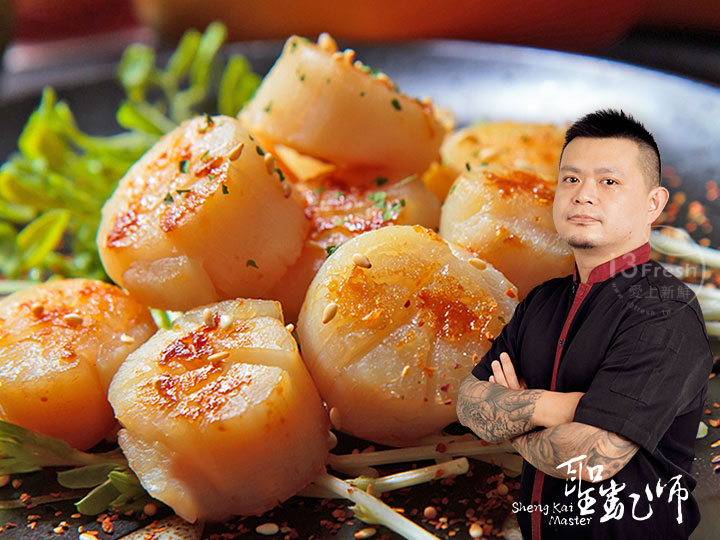
For frozen seafood buyers, this means that premium products like scallops and clams may become scarcer and more expensive. One product that remains a reliable choice is the 北海道嚴選鮮甜干貝, sourced from Hokkaido, Japan, where cold, nutrient-rich currents help sustain healthy scallop populations. While climate pressures are global, some regions with stable environmental conditions can still offer consistent quality, making traceability and supplier relationships more important than ever.
Shifts in Consumer Demand and Sustainability Expectations
As awareness of climate change grows, consumers in 2025 are demanding more transparent, sustainable seafood options. Eco-labels like Marine Stewardship Council (MSC) and Aquaculture Stewardship Council (ASC) are becoming table stakes. Frozen seafood brands that can demonstrate responsible sourcing—through certifications, blockchain traceability, or direct partnerships with fisheries—gain a competitive edge.
At 新鮮食材速遞, we curate products that align with these values. For example, the 鷹嘴豆野蔬咖哩 offers a plant-based alternative that reduces reliance on seafood altogether, appealing to flexitarian consumers who want to lower their carbon footprint. Meanwhile, frozen seafood items like wild-caught shrimp or sustainably farmed salmon allow shoppers to enjoy ocean protein without compromising on ethics.

Innovations in Frozen Seafood Processing and Logistics
The frozen food industry is responding to climate challenges with technological innovations. Advanced freezing methods—such as high-pressure processing (HPP) and individual quick freezing (IQF)—preserve texture and nutrients better than ever, reducing waste and extending shelf life. Cold chain logistics are also becoming smarter, with IoT sensors monitoring temperature and humidity in real time to prevent spoilage during transit.
In 2025, we see a rise in regional processing hubs that shorten supply lines. For instance, frozen shrimp from the Gulf of Mexico is now often processed and frozen within hours of catch, reducing the carbon footprint of transportation. Similarly, frozen vegetables and seafood are increasingly packaged in eco-friendly materials, addressing consumer concerns about plastic waste.
Adapting Your Freezer Meal Plan for a Changing Climate
For home cooks and meal preppers, climate change may mean adjusting their go-to recipes. Species like cod or pollock might be replaced by more abundant options like mackerel or sardines, which are both nutritious and lower on the food chain. Frozen seafood remains a convenient and cost-effective choice, as it locks in peak freshness and allows for pantry flexibility.
Consider building a climate-resilient freezer with a mix of seafood, plant-based proteins, and vegetables. Products like the 聖凱師-完熟黃金冰烤地瓜 are a versatile side dish that pairs well with grilled fish or seafood stews. By diversifying your frozen inventory, you reduce reliance on any single supply chain and enjoy a broader range of flavors year-round.
Looking Ahead: The Future of Seafood Sourcing
By 2030, experts predict that climate change will have reshaped global seafood maps entirely. Some fisheries may collapse, while new opportunities emerge in previously inhospitable waters. The frozen seafood industry must invest in adaptive strategies: genomic research to breed heat-tolerant shellfish, offshore aquaculture platforms, and predictive analytics to forecast catch fluctuations.
For now, staying informed and choosing trusted suppliers is the best defense. At 新鮮食材速遞, we are committed to sourcing products that meet high standards of quality and sustainability, even as the world changes. We invite you to explore our range of frozen seafood and discover how you can enjoy delicious, responsible meals in 2025 and beyond.
Conclusion
Climate change is a formidable challenge for frozen seafood supply chains, but it also catalyzes innovation and resilience. By understanding the risks—from warming oceans to extreme weather—consumers and businesses can make smarter choices that support both their tables and the planet. Whether you are a home cook stocking your freezer or a retailer planning your inventory, adaptability is key.
Ready to explore climate-resilient frozen options? Check out our selection of premium frozen seafood, including the 北海道嚴選鮮甜干貝, a delicious and responsibly sourced choice for your next meal. Shop now and taste the difference that quality and sustainability make.